

Psychosocial foundations of the Russian Soviet State
Psychosocial foundations of the Russian Soviet State.
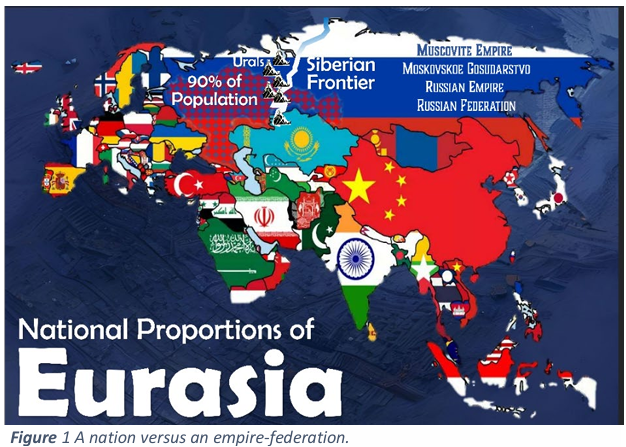
At the centre of the USSR’s effort to sustain and expand the communist revolution was control over the population and the resources on which it depended. The empire overthrown by the Bolsheviks had been a multinational state since the reign of Ivan the Terrible. Yet the ethnic Russian monarchy and ruling elite treated Russian national identity and Orthodox Christianity as foundational to the state, while regarding ethnic and religious diversity as either unimportant or an obstacle to modernisation. In the two decades before the revolution, however, the regions west of the Urals and north of the Caucasus became increasingly diverse. It was in this context that Vladimir Lenin described the Russian Empire as a “prison of nations.” The central challenge for the revolutionary leadership was how to persuade hundreds of distinct ethno-cultural

communities to accept a newly constructed collective identity in place of identities inherited across generations. Pre war promises of independence and autonomy by the revolution’s organisers never materialised. Instead, communities experienced post-war brutality, induced famine, forced relocation, and demographic reduction as the new regime sought to replace existing Slavic, Caucasian, Asian, and Siberian identities. Those unable to resist assimilation or preserve their cultural identity found themselves forcibly recast by the revolutionary system into a new psychological ideal pejoratively described as Homo sovieticus, or the Soviet man. The creation of Homo sovieticus marked an innovative approach to empire-building. Earlier empires, including the Romanov Empire, allowed conquered ethno cultural groups to pay tribute and taxes while retaining inherited collective identities.
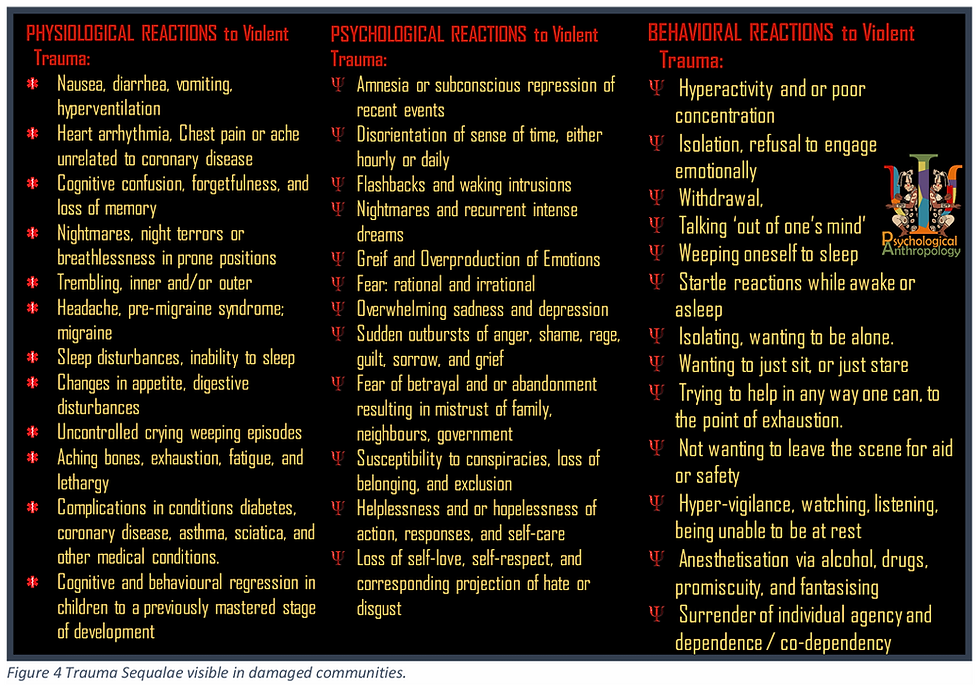
This permissive approach extended not only to Russians but also to Tatars, Kalmyks, Karelians, Komis, and others, while the ruling families in Moscow remained a closed dynastic circle, open through royal intermarriage or the incorporation of European elites. The introduction of Homo sovieticus shifted the basis of political authority from monarchy justified by divine
rule to a system justified in the language of enlightened human reason. It aimed to transform the empire’s inherited mosaic of peoples from a sociocentric psychosocial order into an egocentric, socially constructed one, as shown in Figure 3. The difference between what the revolutionary Soviets inherited—vast agrarian ethnic and cultural enclaves—and what they claimed they would build was therefore not a minor adjustment, but a profound transformation.

Comments